NJ Firearms Training for Beginners
New Jersey law requires you to demonstrate “justifiable need” to carry a handgun, but you can still own one for home defense or sport. That means your first step isn’t buying a gun—it’s getting trained. Without proper instruction on safety, handling, and state-specific laws, you’re setting yourself up for failure and potential legal trouble.
Understanding NJ’s Legal Framework First
Before you touch a firearm, you must understand the rules. New Jersey has some of the strictest gun laws in the country. You need a Firearms Purchaser Identification Card (FPIC) to buy any firearm, and a separate permit for each handgun purchase. The “justifiable need” standard for a carry permit is a high bar, typically requiring documented, specific threats. Transport laws are also critical: firearms must be unloaded, in a locked case, and stored in the trunk or a locked container separate from ammunition. Ammunition itself has restrictions; hollow points are legal to possess at home or at a range, but their transport is heavily regulated. Ignorance of these statutes is not a defense. A qualified instructor will cover this, but you should start your research at the NJ State Police website.
Choosing the Right Beginner Training Course
Look for a course certified by the NRA or a state-recognized instructor. A proper beginner curriculum covers four pillars: safety, fundamentals, laws, and live-fire. The NRA’s “Basics of Pistol Shooting” is a solid foundation. Expect to spend 8-16 hours in a classroom and on the range. The instructor should provide .22 LR or 9mm pistols for training—calibers with manageable recoil. You’ll learn the four universal safety rules, how to clear a firearm, proper grip, stance, sight alignment, and trigger control. Don’t just look for the cheapest class; read reviews and ensure the instructor has a reputation for patience with new shooters. This foundational training is more important than your first firearm purchase.
Essential Gear for Your First Range Session
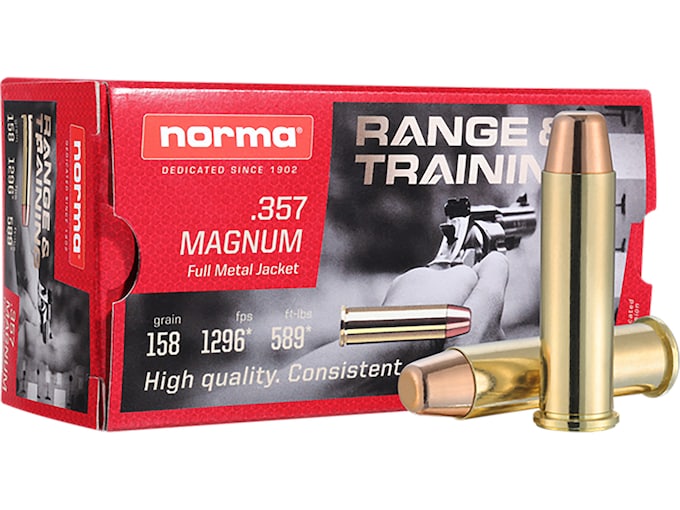
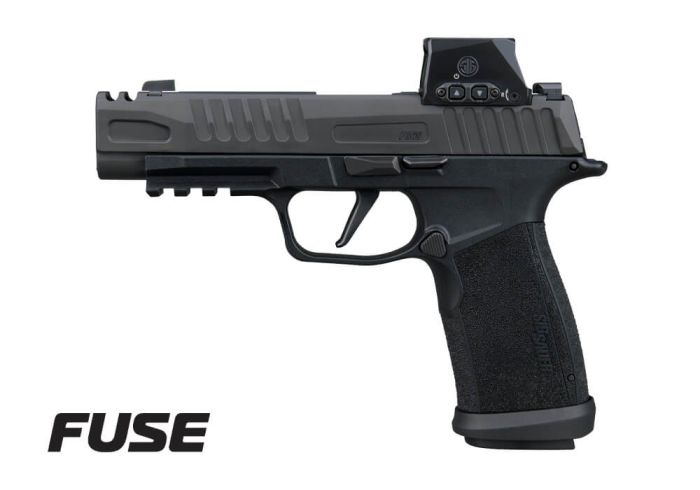
Your instructor will provide a gun and ammo, but you need personal gear. Start with ANSI Z87.1-rated safety glasses and electronic hearing protection. Over-ear models like Howard Leight Impact Sports amplify range commands while blocking gunshots. You’ll need a way to carry ammo and magazines; a simple range bag works. For your actual firearm, a beginner-friendly 9mm like a Springfield Armory XD Mod.4 or a SIG Sauer P365 variant offers a good balance of size, reliability, and shootability. You’ll also need a quality holster that covers the trigger guard, but focus on range training first. Buy at least 200 rounds of full metal jacket (FMJ) practice ammunition, like Federal’s range line, from a reputable dealer like Losranchosgunshop.
Developing Core Skills: Dry Fire and Live Fire
Training doesn’t stop after the class. Dry fire practice—safely manipulating an unloaded firearm at home—is the most effective way to build muscle memory. Use a dedicated snap cap or ensure the chamber and magazine are empty, and aim at a blank wall. Practice your draw from a holster, sight alignment, and pressing the trigger without disturbing the sights. For live fire, start close—at 3 to 5 yards. Focus on one skill per session: grip one day, trigger reset the next. Use a B-8 repair center target to objectively measure progress. Don’t chase speed; accuracy is built on a foundation of slow, perfect repetitions. Schedule regular range time, even if it’s just 50 rounds twice a month. Consistent, focused practice beats infrequent marathon sessions.
Next Steps: Advanced Training and Community
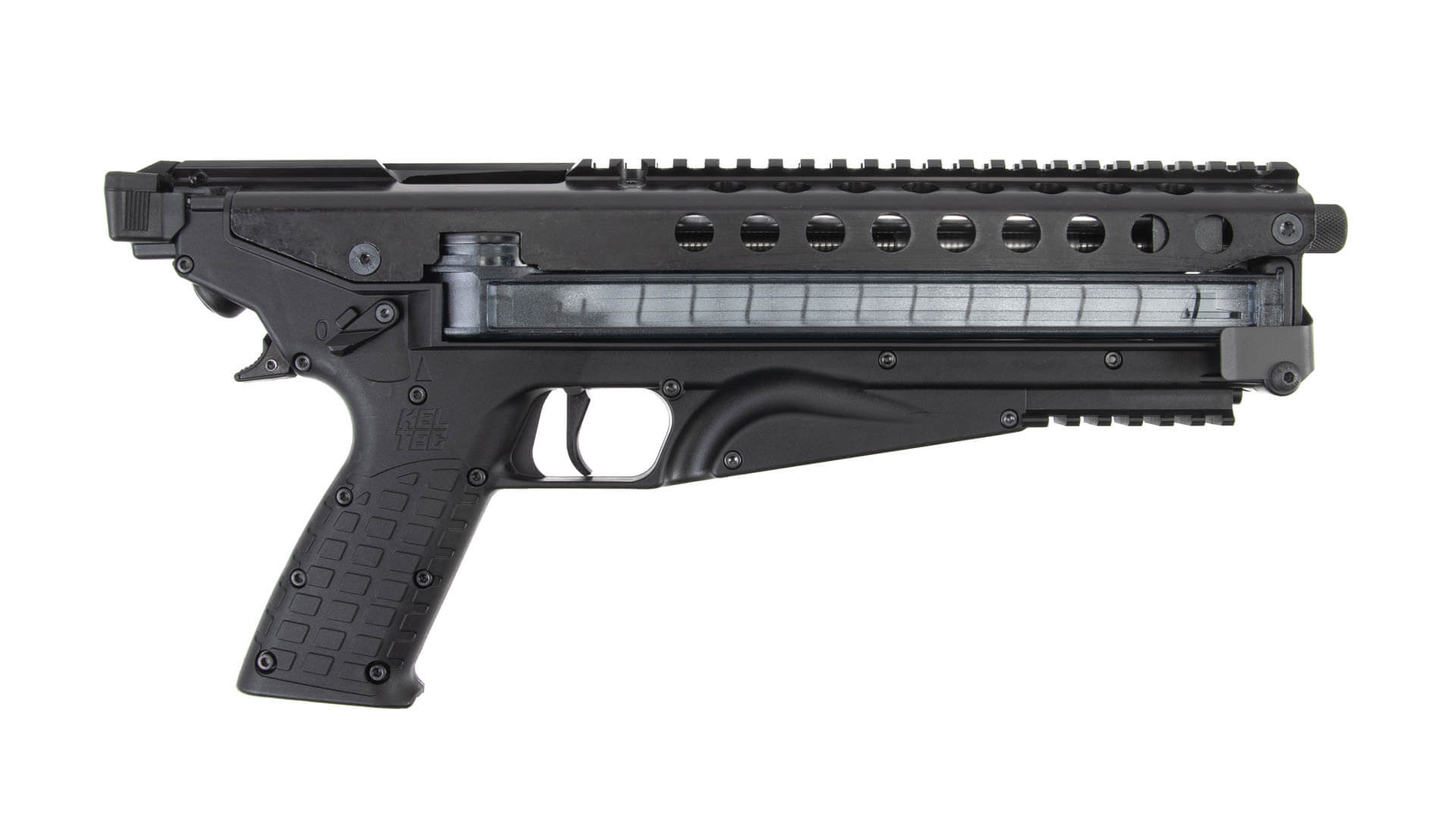
Once you’ve mastered the basics, seek out an intermediate course that introduces movement, shooting from cover, and low-light fundamentals. Join a local gun club or USPSA/IDPA league to apply skills under mild pressure. Continue your legal education; New Jersey’s laws change, and you are responsible for knowing them. For home defense, consider a dedicated shotgun or rifle like an AR-platform pistol (in a NJ-compliant configuration) and get specific training for it. Remember, your firearm is a tool; proficiency is your responsibility. Losranchosgunshop carries the ammunition and firearms you’ll need to support your ongoing training journey.
What is the first gun I should buy in New Jersey?
For a beginner, a full-size or compact 9mm pistol is ideal. Models like the Springfield Armory XD series or the SIG Sauer P365 offer reliability, manageable recoil, and are widely available. You must first obtain your Firearms Purchaser Identification Card (FPIC) and a handgun purchase permit. Handle several at a range or store before deciding.
Can I take a firearms training course without owning a gun?
Absolutely. Reputable instructors provide firearms and ammunition for beginner courses. This allows you to learn safety and fundamentals on a properly maintained firearm without the initial investment. Use this opportunity to try different models to inform your future purchase.
Where can I find a certified instructor in New Jersey?
Start with the NRA Instructor search tool on their website. Also, check with local ranges like Gun for Hire, RTSP, or Range 129—they host certified courses. Read student reviews and ensure the course outline covers NJ-specific laws, safety, and live-fire range time.
Browse our firearms collection
Last updated: March 27, 2026
No Responses