Best Firearms Training for Beginners
You just bought your first handgun, a 9mm like the popular SIG P365. You’ve handled it safely at home, but the thought of your first live-fire session at a range is intimidating. This is where proper training separates confident, responsible owners from those who develop bad habits. The right instruction isn’t about tactical fantasies; it’s about building an unshakable foundation of safety, marksmanship, and mindset.
Start with a Certified Safety & Fundamentals Course
Your first stop should be a structured, NRA-certified Basic Pistol or Rifle course, or a state-approved hunter safety class. These aren’t optional. A good instructor will spend hours on the four universal safety rules, firearm mechanics, and ammunition types before you ever touch a live round. You’ll learn how to clear a double-feed on a Glock 19, why you shouldn’t mix .223 and 5.56 NATO casually, and the difference between a striker-fired trigger and a single-action pull. This formal environment ingrains safety as a reflex, not a suggestion. Look for courses that provide firearms and ammunition; this lets you learn on a standard platform like a Smith & Wesson M&P 9 Shield or a Ruger 10/22 without the pressure of buying first.
Master Dry Fire Practice at Home
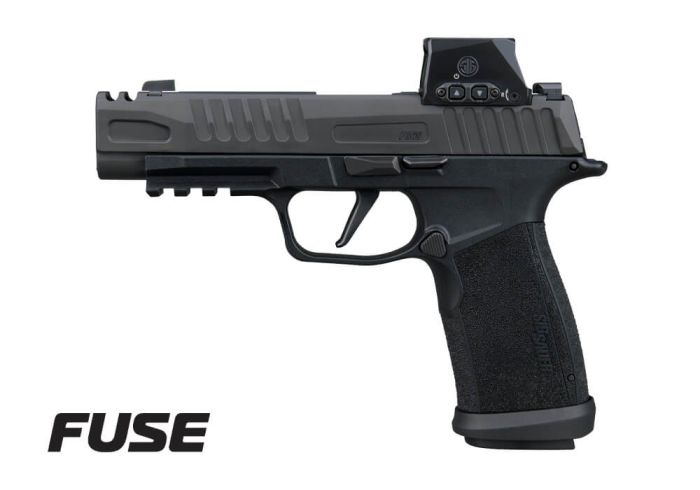
Live ammunition is for the range; skill is built at home. Dry fire—practicing trigger press and sight alignment with an unloaded firearm—is the most underutilized tool for beginners. With a verified empty chamber and all ammunition stored in another room, you can safely practice for 15 minutes a day. Focus on pressing the trigger straight to the rear without disturbing the front sight post. Use a dummy round like a Snap-Cap for practicing malfunction drills. For a modern striker-fired pistol like the SIG Sauer P365 FUSE Comp, this builds muscle memory for its flat-faced trigger. Consistent dry fire eliminates the flinch that plagues new shooters and makes your expensive range time far more productive.
Find a Qualified Instructor, Not Just a Range
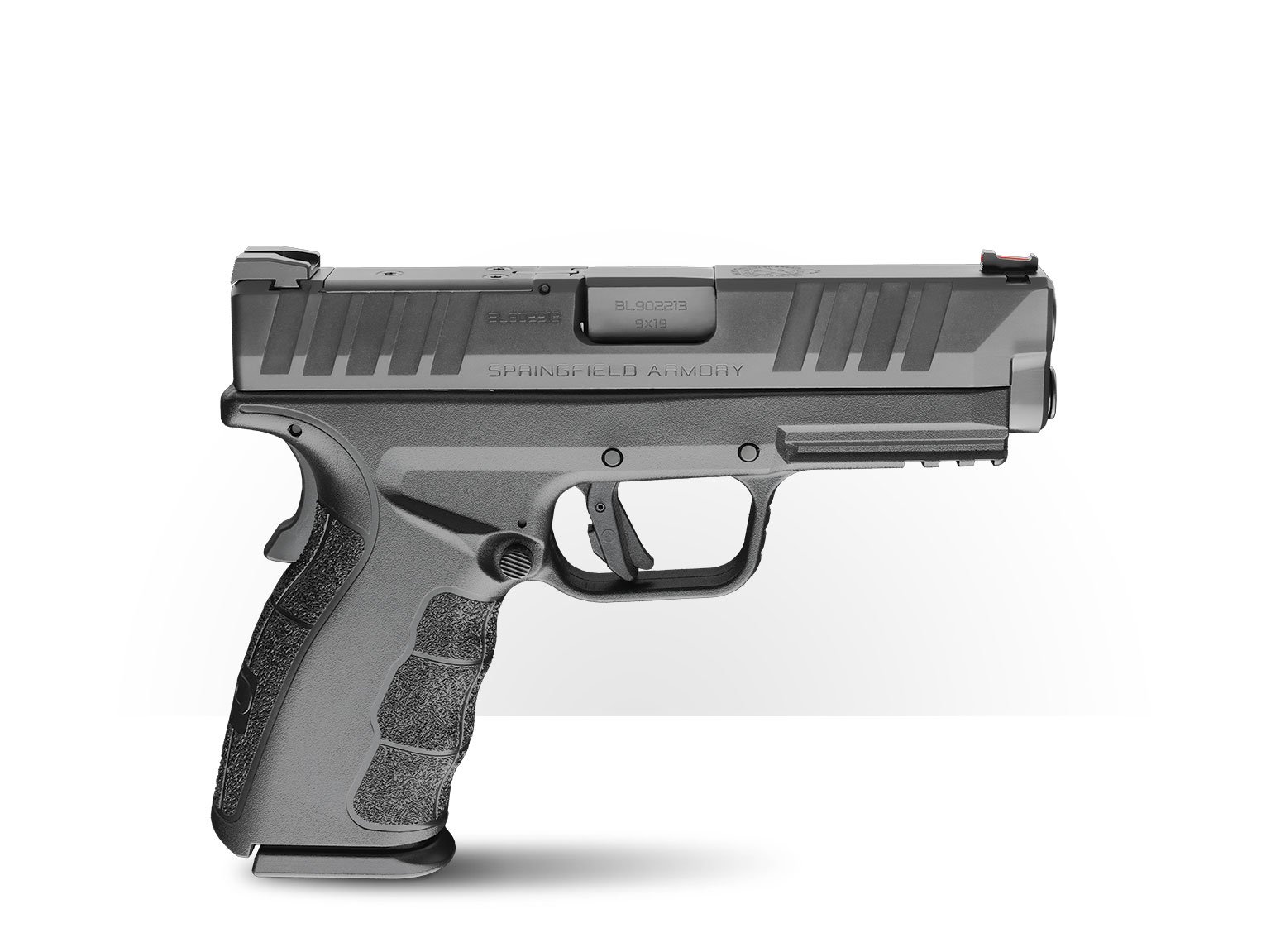
Not all training is equal. A qualified instructor has verifiable certifications (NRA, USCCA, state-specific) and a teaching methodology. They should ask about your goals—home defense, concealed carry, recreational shooting—and tailor drills accordingly. For a beginner, the first live-fire lesson should be at 3-5 yards, focusing on a consistent grip, sight picture, and trigger control. A good instructor will spot your anticipation and correct it immediately, often by mixing dummy rounds into your magazine. They’ll have you start with a full-size service pistol like a Springfield Armory XD Mod.4 for its manageable recoil before moving to a compact model. Avoid the “friend who knows guns”; professional instruction is a non-negotiable investment.
Progress to Defensive Skills and Scenario Training
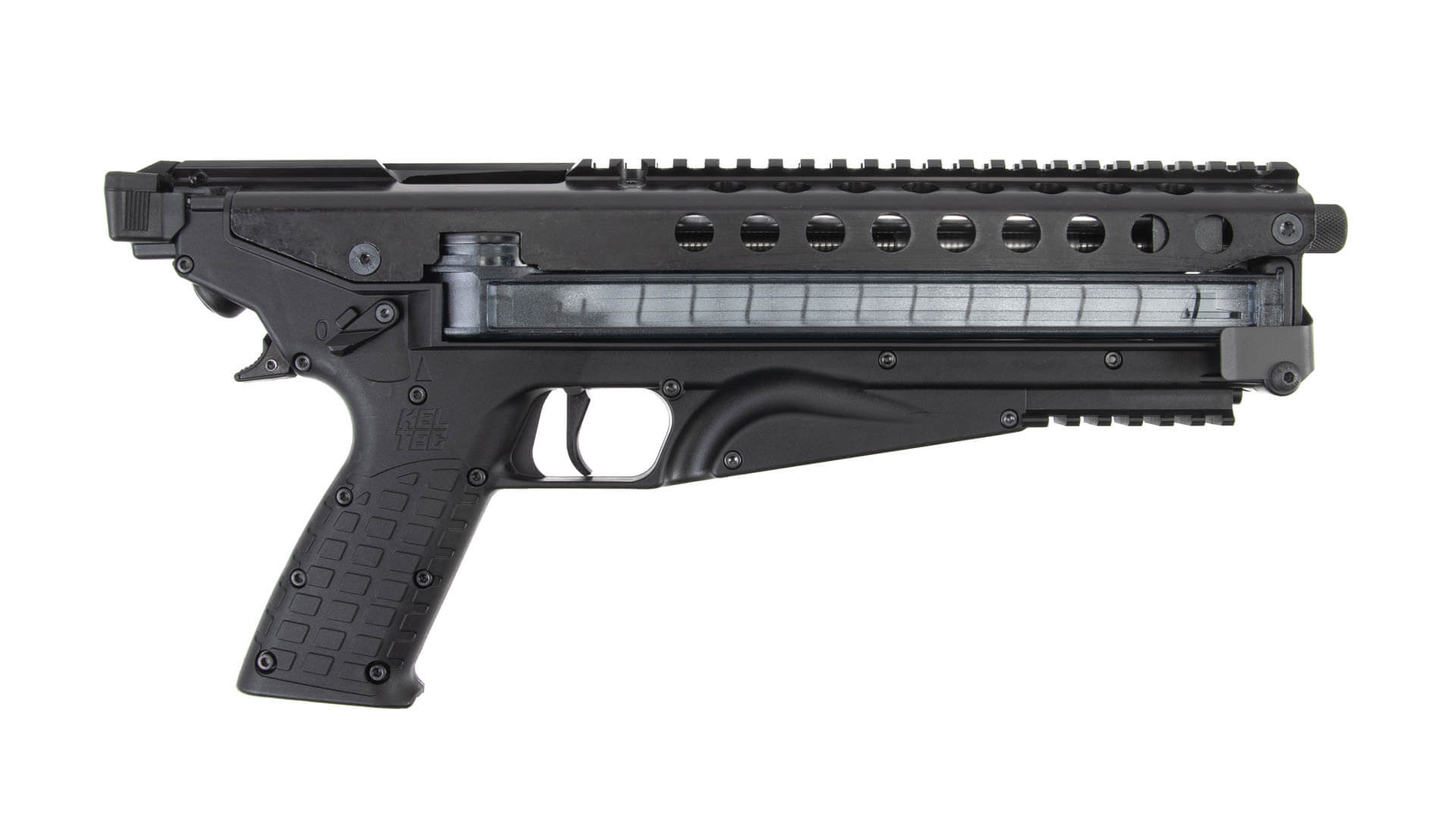
After you can consistently put 10 rounds into a 6-inch circle at 7 yards, it’s time to move beyond static bullseye shooting. Seek an introductory defensive handgun course. This introduces critical skills: drawing from a holster (using a dedicated training holster), shooting from ready positions, engaging multiple targets, and managing reloads. You’ll start using realistic ammunition like Federal HST 124-grain to understand how your carry gun performs with duty loads. This training shifts your focus from paper precision to effective combat accuracy under mild stress. It also highlights gear needs, whether it’s a better belt or more magazine pouches. This is where you learn that a unique platform like the KelTec KP50 requires specific handling and reloading drills due to its bullpup pistol design.
Commit to Ongoing Practice and Advanced Courses
Training is not a one-day event. Proficiency decays without practice. Establish a monthly range routine. Dedicate 50 rounds to fundamental drills and 50 to new skills learned in class. Track your progress with timed drills like the “Dot Torture” test. As your skills solidify, seek out advanced courses: low-light shooting, vehicle defense, or an introduction to carbines with an AR-15 platform like the Sig M400 Tread. These courses expose you to complex problems and build decision-making under pressure. Remember, the firearm is just a tool. Your knowledge, practiced skills, and legal understanding are what make you a responsible owner. Losranchosgunshop supports this journey by providing reliable equipment, from your first handgun to the ammunition you train with.
What is the single most important thing for a beginner to learn?
Without question, it’s the four universal firearm safety rules: 1) Treat every gun as if it is loaded. 2) Never let the muzzle cover anything you are not willing to destroy. 3) Keep your finger off the trigger until your sights are on target. 4) Be sure of your target and what is beyond it. This mindset must become automatic before any other skill is developed.
How much ammunition should I budget for my first training course?
For a standard one-day beginner pistol course, expect to fire between 150 and 250 rounds. I recommend buying 300 rounds of quality 115-grain or 124-grain FMJ training ammunition (like Winchester White Box or Blazer Brass) from our ammunition collection. This ensures you have enough for the course and some left over for immediate follow-up practice. Never show up with just the minimum round count.
Should I buy a gun before or after my first training class?
After. A reputable beginner course will provide firearms for you to use. This allows you to learn fundamental safety and operation on a standard, full-size model under expert supervision. After the class, you’ll have the knowledge to make an informed purchase based on how different grips, triggers, and calibers felt. We see too many buyers at Losranchosgunshop who bought a compact .45 ACP as a first gun only to find it difficult to control; try before you buy.
Browse our firearms collection
Last updated: March 27, 2026
No Responses