Firearms Training for New Shooters
You’ve decided to buy your first handgun. You walk into a store or browse a site like Losranchosgunshop, and you’re immediately faced with a wall of choices: striker-fired vs. hammer, 9mm vs. .380, optics-ready slides, and a dozen different safety mechanisms. The most critical piece of gear, however, isn’t on the shelf. It’s the foundational training you get before you ever pull the trigger.
Start with Professional Instruction, Not YouTube
Your first step should be a formal, in-person beginner’s course with a certified instructor. A good NRA Basic Pistol or state-equivalent course covers the four universal safety rules, firearm mechanics, ammunition types, and state laws—subjects where misinformation is rampant online. An instructor can physically correct your grip, stance, and trigger press in real time, something no video can do. Expect to pay $100-$200 for an 8-hour class, and it’s worth every penny. This isn’t about getting a certificate; it’s about building safe, repeatable habits from day one. Many ranges require proof of such training before you can rent a lane, so get this done first.
Master the Four Universal Safety Rules
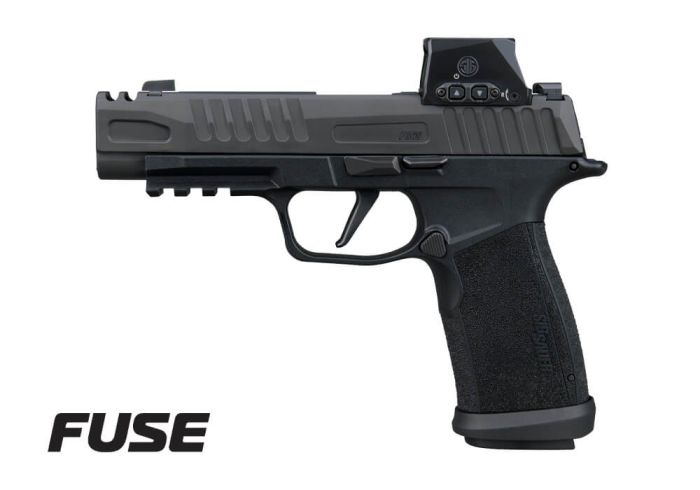
Everything in shooting stems from safety. Memorize these four rules: 1) Treat every firearm as if it is loaded. 2) Never point the muzzle at anything you are not willing to destroy. 3) Keep your finger off the trigger and outside the trigger guard until your sights are on target and you have made the decision to shoot. 4) Be sure of your target and what is beyond it. These rules are redundant by design; violating one should force you into compliance with another. Drill them into your mindset. When handling a new firearm, like the popular SIG Sauer P365 FUSE Comp, the first action is always to verify the chamber is clear, with the muzzle in a safe direction.
Choosing Your First Training Firearm
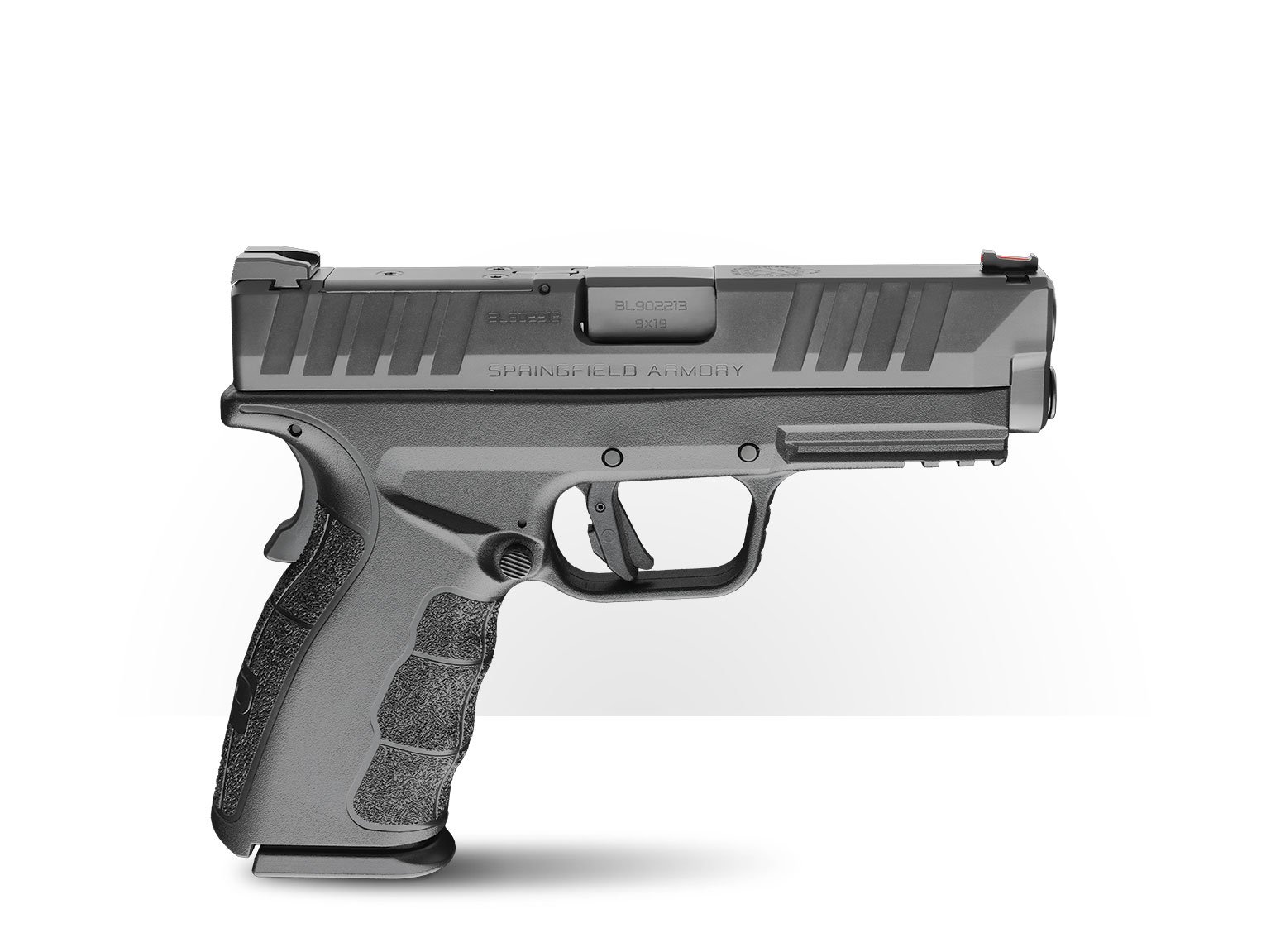
For a primary training pistol, prioritize reliability, ergonomics, and common caliber availability. A full-size or compact 9mm like a Springfield Armory XD Mod.4 is ideal. The larger frame mitigates recoil, the grip is easier to control, and 9mm practice ammo is the most affordable centerfire cartridge. Avoid starting with sub-compacts or exotic calibers like .357 SIG or .45 GAP; they are harder to shoot well and expensive to feed. If you intend to carry concealed, train extensively with your full-size gun first to build skill, then transition to your smaller carry piece. At Losranchosgunshop, we often guide new shooters toward these proven, beginner-friendly platforms in our handguns collection.
Dry Fire and Live Fire Drills for Fundamentals
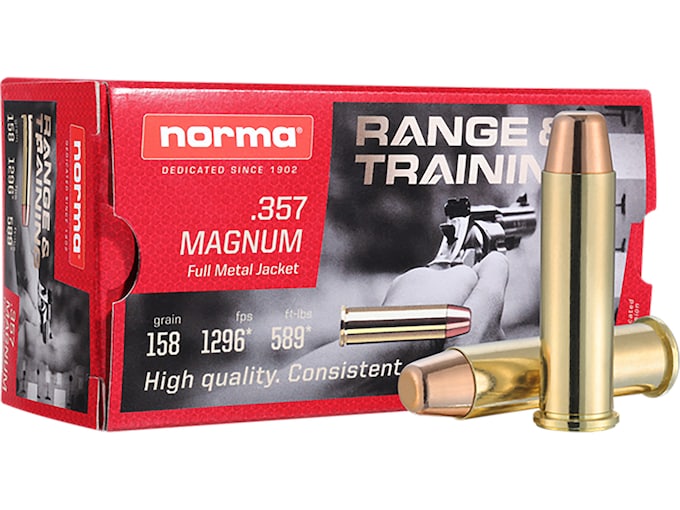
Once you understand safety, you can practice the core skills at home with dry fire. Using an absolutely verified empty firearm, practice presenting from a holster, acquiring a sight picture, and pressing the trigger straight to the rear without disturbing the sights. Use a snap cap for repeated striker or hammer drops. For live fire, start close—3 to 5 yards. Focus on a smooth, surprise trigger break and calling your shot (knowing where the bullet hit based on your sight picture at the moment the gun fired). Drills like the “Dot Torture” or “5×5” are excellent for building accuracy under simulated pressure. Budget for at least 500 rounds of quality FMJ training ammunition, like the 9mm options in our ammunition collection, for your first few range sessions.
Beyond the Basics: Next Steps in Proficiency
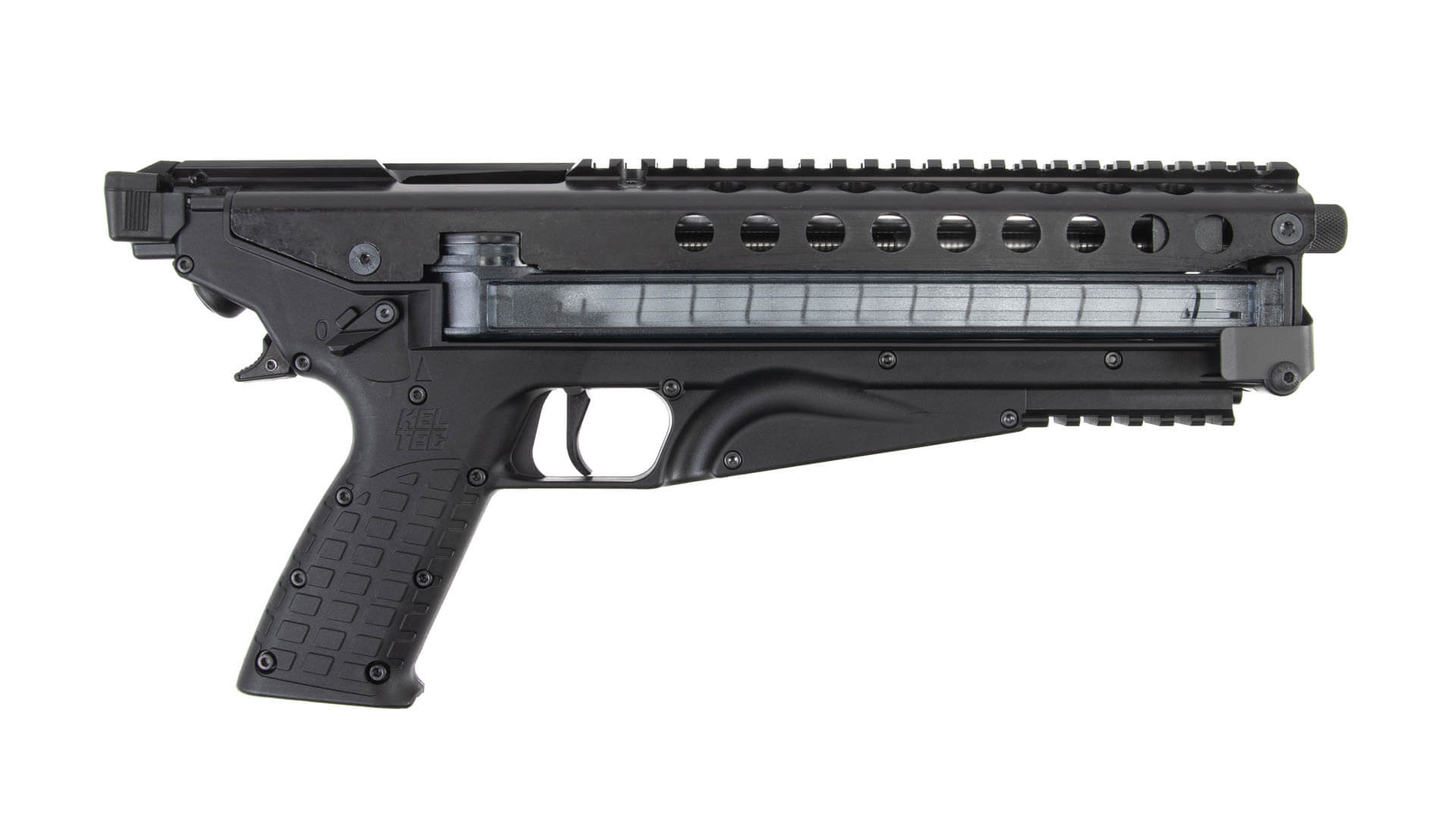
After you’re consistently grouping shots in the center mass of a target at 7-10 yards, seek out an intermediate course. This will introduce movement, shooting from cover, reloads under time, and low-light considerations. This is also the time to consider a dedicated .22 LR pistol for ultra-low-cost marksmanship practice. For those interested in carbines, a rifle like the Shop M400-TREAD PISTOL in 5.56mm offers a great training platform, though the principles of safety, trigger control, and sight alignment remain the same. Remember, a specialized firearm like the KelTec KP50 chambered in 5.7x28mm is a poor choice for foundational training due to its unique manual of arms and ammunition cost.
What is the best caliber for a beginner’s first handgun?
9mm Luger is the unequivocal best choice. It offers a balance of manageable recoil, widespread availability, and relatively low cost for practice ammunition. It’s effective for both training and defensive use. Avoid starting with small, snappy calibers like .380 ACP in micro pistols or large calibers like .45 ACP, as they are more difficult to control and can ingrain flinching habits.
How much ammunition should I buy for my first training session?
Plan for 100 to 200 rounds for your first live-fire range trip after your safety course. Focus on quality over quantity—shooting 50 rounds with deliberate focus on fundamentals is better than blasting through 500 rounds poorly. Always use full metal jacket (FMJ) round-nose ammunition for training, reserving hollow-points like Federal Premium Personal Defense 9mm for later defensive practice.
Is it okay to learn on the firearm I plan to carry every day?
Yes, but with a caveat. If your carry gun is a sub-compact or micro pistol, it is more challenging to shoot accurately due to its short sight radius and snappy recoil. It’s highly recommended to begin your fundamental training on a full-size or compact version of the same platform (if available) or a similar full-size 9mm. Once your grip and trigger control are solid, transition to practicing with your actual carry gun.
Browse our firearms collection
Last updated: March 27, 2026
No Responses